
glass panel price
Understanding the Uses of Magnetic V Blocks Magnetic V blocks are essential tools in a wide array of machining, fabrication, and assembly processes. They combine the functionality of traditional V blocks, which are designed to hold cylindrical objects, with a powerful magnetic base that offers precision and stability. This article delves into the various applications, benefits, and considerations of using magnetic V blocks in different industries. What are Magnetic V Blocks? Magnetic V blocks are specialized devices that feature a unique V-shaped groove, enabling them to securely hold round or cylindrical workpieces. The magnetic base ensures that the block adheres firmly to the work surface, providing stability during machining or inspection processes. They are typically made from high-quality steel or cast iron, designed to endure rigorous mechanical operations. Applications in Machining and Fabrication 1. Precision Hold for Machining One of the primary uses of magnetic V blocks is in machining operations. They are instrumental in securely holding pieces while milling, drilling, or grinding. The magnetic grip allows for quick setup and repositioning, significantly reducing downtime and improving workflow. 2. Inspection and Measurement In quality control processes, magnetic V blocks are invaluable. They provide a stable platform for measuring instruments, ensuring that measurements are accurate and reliable. Whether you're using calipers, micrometers, or dial indicators, the secure hold reduces the risk of movement that could compromise data. 3. Welding Applications In welding, magnetic V blocks enable fabricators to position components accurately. The strong magnetic hold allows operators to concentrate on welding without worrying about misalignment, ensuring cleaner welds and stronger joints. This is particularly useful in pipe and tube fabrication, where precision is paramount. magnetic v block uses 4. General Assembly Operations In assembly lines, magnetic V blocks can assist in holding parts in place while they are fastened or connected. They streamline the assembly process, allowing for quick adjustments and reducing the chance of errors, particularly in high-volume manufacturing environments. Benefits of Using Magnetic V Blocks - Efficiency The magnetic feature allows for rapid setup and adjustments, saving valuable time in production processes. - Precision The stability provided by the magnetic hold enhances accuracy, leading to better quality outcomes in machining and assembly. - Versatility Magnetic V blocks can be used across various materials and applications, making them an indispensable tool in multiple industries such as automotive, aerospace, and manufacturing. - Ease of Use With simple on/off switches to activate or deactivate the magnet, these blocks are user-friendly and safe, even for operators with minimal training. Considerations When Using Magnetic V Blocks While magnetic V blocks offer numerous advantages, there are factors to keep in mind for optimal use - Surface Material Magnetic V blocks adhere best to ferromagnetic surfaces. On non-magnetic surfaces, their effectiveness diminishes. - Load Capacity Each magnetic V block has a specific load capacity. It’s crucial to ensure that the workpiece weight stays within the limits to avoid slippage or damage to the block. - Maintenance Regular maintenance and cleaning of magnetic surfaces are essential to maintain the strength of the magnetic hold and prevent debris accumulation that could affect performance. Conclusion Magnetic V blocks are an essential component in many engineering and manufacturing processes. Their ability to securely hold round objects while allowing for precise machining and measurement enhances productivity and accuracy across various applications. As technology advances and industries demand greater precision and efficiency, the reliance on tools like magnetic V blocks will likely continue to grow. Understanding their uses, benefits, and best practices ensures that operators can maximize the potential of these versatile tools, leading to better quality products and streamlined operations. Whether in a machine shop, assembly line, or inspection lab, magnetic V blocks are tools that facilitate precision and efficiency in today's fast-paced industrial landscape.
about
glass panel price
Understanding the Right Angle Protractor A Comprehensive Guide A right angle protractor is a fundamental instrument in the fields of mathematics, engineering, and construction. It is primarily used for measuring and drawing angles, especially right angles, which are critical in various applications requiring precise measurements. This article explores the design, functionality, applications, and benefits of the right angle protractor. Design and Structure The right angle protractor is characterized by its unique shape, which typically resembles a half-circle or a right-angled triangle. The most common variant is a semi-circular protractor, which includes a 180-degree scale marked in degrees. In contrast, the triangular version often features a 90-degree angle, alongside two additional arms that facilitate various measurement tasks. In terms of materials, right angle protractors can be made from plastic, metal, or even transparent materials, allowing users to overlay them on drawings or plans. A transparent protractor can significantly enhance visibility, making it easier to see underlying lines when measuring angles. Functionality The primary function of the right angle protractor is to enable users to measure angles accurately. To utilize this tool, one must align the baseline of the protractor with one side of the angle being measured. The center point, usually marked at the midpoint of the straight edge, is placed at the vertex of the angle. The other side of the angle is then aligned with the scale of the protractor. This method allows users to read the measurement directly from the scale, providing an accurate degree value. In addition to measuring angles, right angle protractors can also be used for drafting. They help ensure that angles are drawn accurately when creating plans, diagrams, or other technical drawings. This precision is crucial in fields like architecture, where even the slightest discrepancy can lead to significant issues in construction. Applications right angle protractor The applications of the right angle protractor are vast and varied. In educational settings, it is an essential tool for teaching geometry. Students learn how to measure angles and understand geometric relationships through hands-on practice. This foundational knowledge is critical, as it is applicable in higher-level mathematics and physics. In engineering and construction, right angle protractors serve as vital tools for ensuring that structures are built according to specified plans. For example, when laying out a building's foundation, architects and engineers must confirm that angles are accurate to maintain the integrity of the structure. Using a right angle protractor can help avoid costly mistakes that arise from mismeasurements. Additionally, in woodworking and metalworking, craftsmen often use protractors to create joints, cuts, and fittings that require precise angular measurements. The ability to ensure that components fit together snugly is crucial in producing high-quality products. Benefits The right angle protractor offers several benefits that make it an indispensable tool for professionals and students alike. First and foremost, its design ensures ease of use, allowing individuals to measure angles quickly and accurately. The straightforward nature of this tool reduces the likelihood of errors that can occur with more complex measuring equipment. Moreover, the right angle protractor is portable and lightweight, making it easy to carry to various job sites or classrooms. Its durable materials also ensure longevity, providing reliable performance over time. Lastly, the protractor is relatively inexpensive compared to other measuring devices, making it accessible to a broad range of users. This affordability, combined with its essential functions, makes the right angle protractor a staple in educational institutions and professional workplaces. Conclusion In conclusion, the right angle protractor is a vital tool across various fields, including education, engineering, and construction. Its ability to measure angles accurately and assist in drafting makes it an indispensable resource for those needing precision in their work. Whether you are a student learning the basics of geometry or a professional ensuring structural integrity, the right angle protractor is an essential tool that will aid you in achieving your goals. Understanding how to use this instrument effectively can enhance your skill set and improve your accuracy in various tasks, ultimately contributing to successful outcomes in your projects.
-

High quality industrial productsagement

High quality industrial products
View Details -

Meet the diverse needs of customers

Meet the diverse needs of customers
View Details -

Strict quality control

Strict quality control
View Details -

Top raw materials

Top raw materials
View Details -

Trusted supplier

Trusted supplier
View Details
Our application

news and information
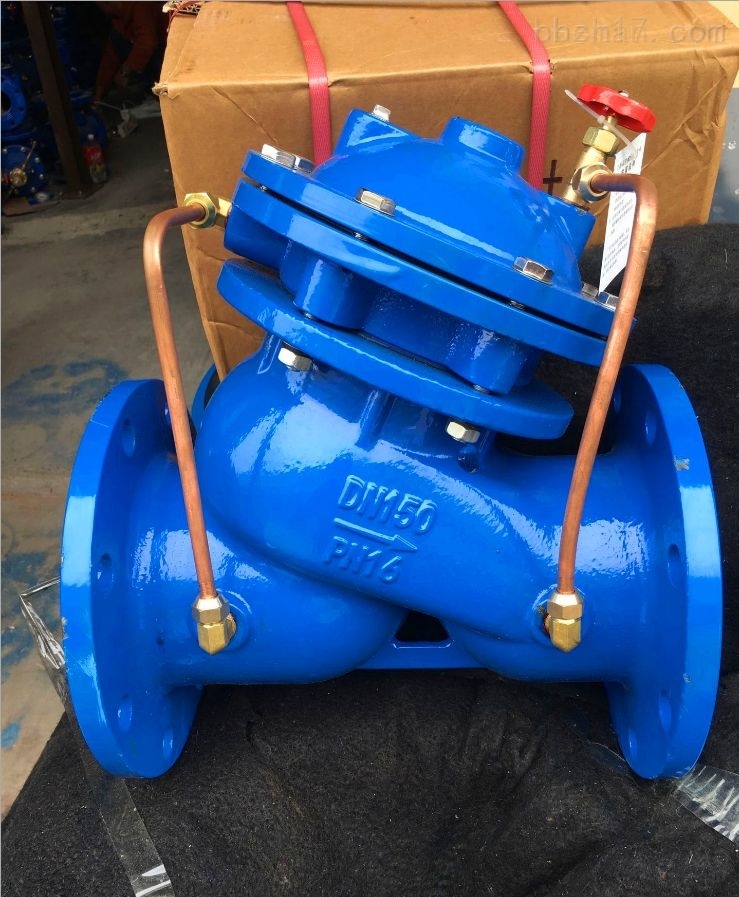
Valvola di cancello a flangia da 6 pollici
Un componente essenziale nei sistemi di gestione dei fluidi industriali è la valvola a saracinesca f

Ventile de grille de 18 pouces
La vanne de portail de 18 pouces un élément clé pour la gestion des fluides Les vannes jouent un rô

Vidin'ny vidin'ny fitaovana fanombanana tariby sy fangarona
Ny vidin'ny fitaovana fanombanana rohy dia tena zava-dehibe amin'ny indostria sy ny sehatra hafa man
 English